Onyx, HopeLend, Beluga: Division Bugs and Liquidity Games
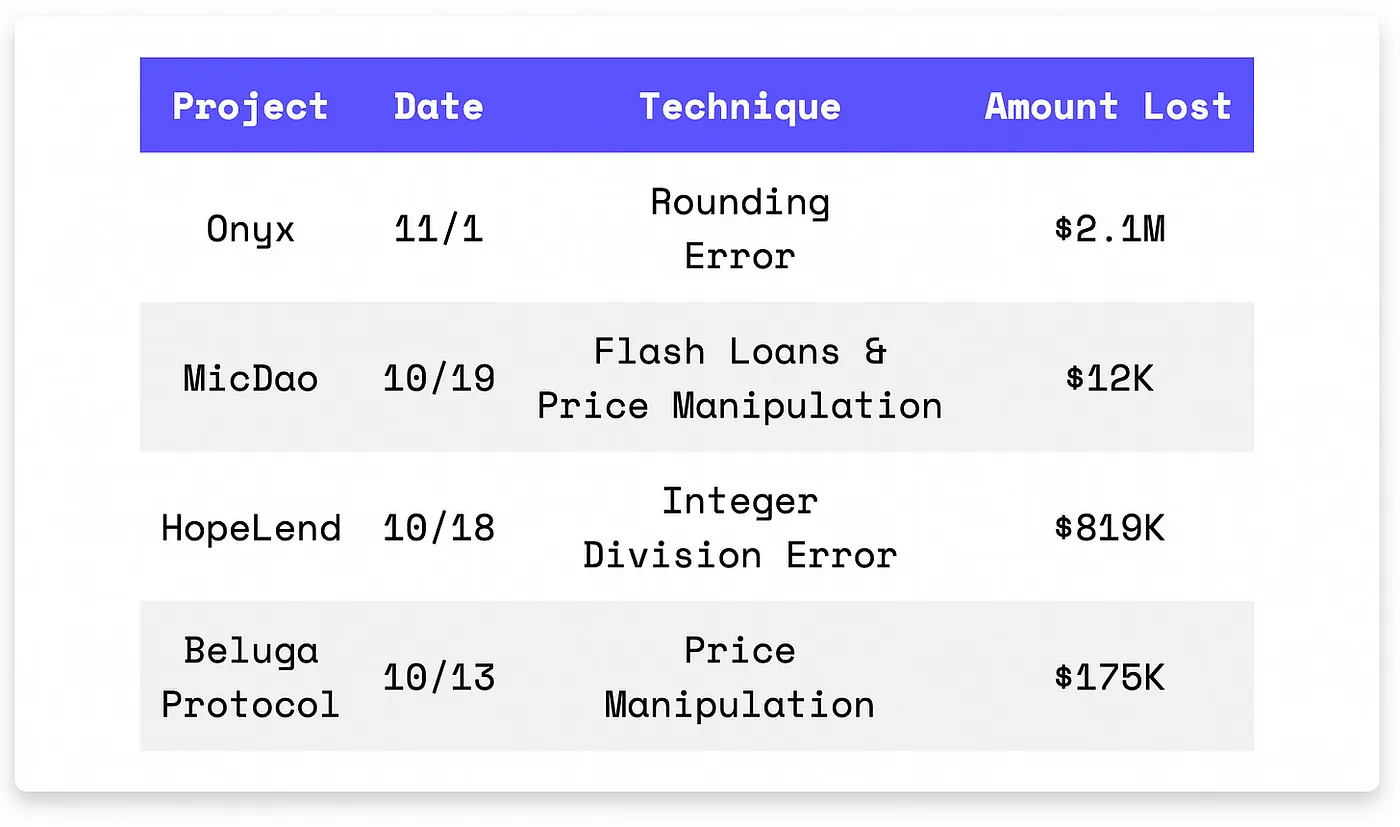
Onyx lost $2.1M to a rounding exploit; HopeLend followed with an $819K hit from a truncated division error. Beluga Protocol and MicDAO repeated the same supply manipulation routine: burn tokens, pump price, exit. Whether it’s integer math or liquidity shell games, these bugs show that basic accounting missteps still drive major losses.
In Brief
Onyx suffered a rounding error exploit.
MicDao was exploited due to price manipulation.
HopeLend hacked for over $819K.
Beluga Protocol was exploited on the Arbitrum chain.
Hacks Analysis
Onyx | Amount Lost: $2.1M
On November 1st, the Onyx exploit on the Ethereum mainnet resulted in a $2.1 million loss due to a rounding error. The hacker used flash loans and donated 4,000 ETH to the Onyx PEPE (oPEPE) Contract in order to manipulate the exchange rate of PEPE tokens. The attack contract donated funds to mint PEPE tokens. Subsequently, the attacker redeemed nearly all PEPE funds, reducing the total supply of PEPE tokens and artificially inflating the exchange rate. Taking advantage of this inflated rate, the attacker borrowed additional funds, repaid the flash loan, and made a profit.
On October 19th, the MicDao exploit on the BNB chain resulted in a $12K loss due to a price manipulation vulnerability. The root cause was a vulnerability in the private _transfer() function within the MicDao contract. This function burned MicDao tokens whenever triggered. The attacker exploited this by burning tokens, artificially reducing the total supply, and inflating the token price. The attacker then sold the MicDao tokens for profit and converted the funds into BSC.
Press enter or click to view image in full size
Exploit Contract (on BNB Chain): 0xf6876f6AB2637774804b85aECC17b434a2B57168
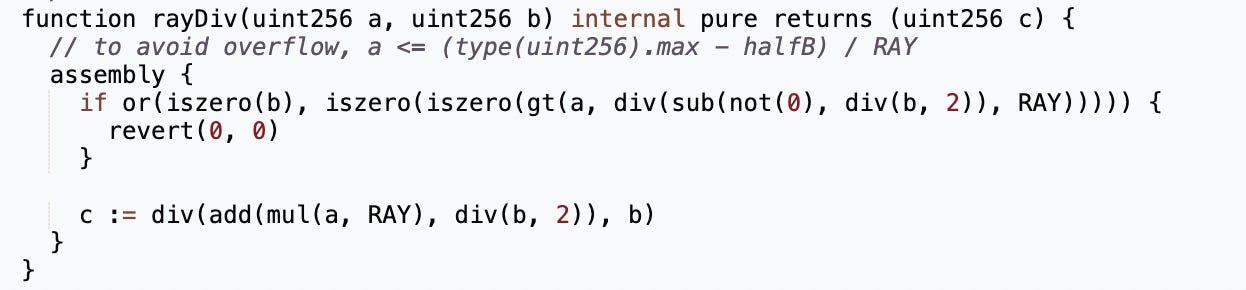
On October 18, the HopeLend exploit on the Ethereum Mainnet resulted in a $819K loss due to an integer division error. The attacker initially borrowed 2,000 WBTC using flash loans from Aave V3, and donated these WBTC tokens to HopeLend’s hEthWBTC lending pool, which had been deployed in early 2023. The root cause of the exploit was the rayDiv() function, which contained a division operation that inadvertently truncated decimal points. This error allowed the manipulation of the hEthWBTC discount rate, enabling the attacker to generate a profit.
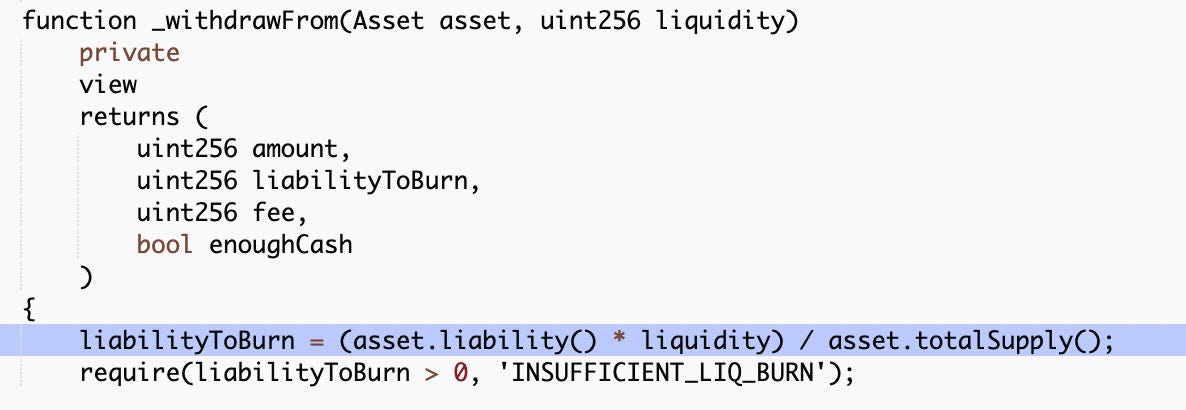
On October 13th, the Beluga Protocol exploit on the Arbitrum Chain resulted in a $175K loss due to a price manipulation vulnerability. The exploit involved initially borrowing 299,067 USDT from Balancer’s Vault and then using these to swap for USDC_E tokens. The attacker then invoked Beluga Pool contract’s withdrawFrom() function, which increased the liabilityToBurn and reduced the token supply. The attacker then sold the USDC_E tokens at an artificially inflated price and made a profit.
Press enter or click to view image in full size
Exploit Contract (on Arbitrum Chain): 0x22D909AbE10Cc2F9FfFA4770d8AdCa0A89493eb0
The rich text element allows you to create and format headings, paragraphs, blockquotes, images, and video all in one place instead of having to add and format them individually. Just double-click and easily create content.
A rich text element can be used with static or dynamic content. For static content, just drop it into any page and begin editing. For dynamic content, add a rich text field to any collection and then connect a rich text element to that field in the settings panel. Voila!
Headings, paragraphs, blockquotes, figures, images, and figure captions can all be styled after a class is added to the rich text element using the "When inside of" nested selector system.
Follow-up: Conduct a follow-up review to ensure that the remediation steps were effective and that the smart contract is now secure.
Follow-up: Conduct a follow-up review to ensure that the remediation steps were effective and that the smart contract is now secure.
In Brief
Remitano suffered a $2.7M loss due to a private key compromise.
GAMBL’s recommendation system was exploited.
DAppSocial lost $530K due to a logic vulnerability.
Rocketswap’s private keys were inadvertently deployed on the server.
Hacks
Hacks Analysis
Huobi | Amount Lost: $8M
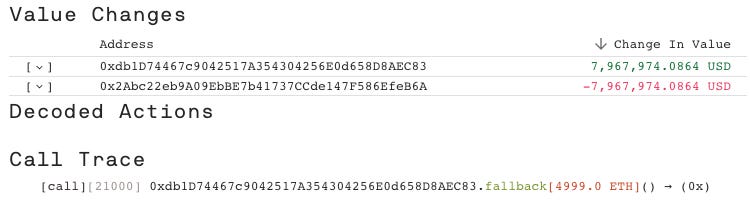
On September 24th, the Huobi Global exploit on the Ethereum Mainnet resulted in a $8 million loss due to the compromise of private keys. The attacker executed the attack in a single transaction by sending 4,999 ETH to a malicious contract. The attacker then created a second malicious contract and transferred 1,001 ETH to this new contract. Huobi has since confirmed that they have identified the attacker and has extended an offer of a 5% white hat bounty reward if the funds are returned to the exchange.