$301M Breached: PlayDapp, Seneca, Duelbits, and ERC404 Exploited
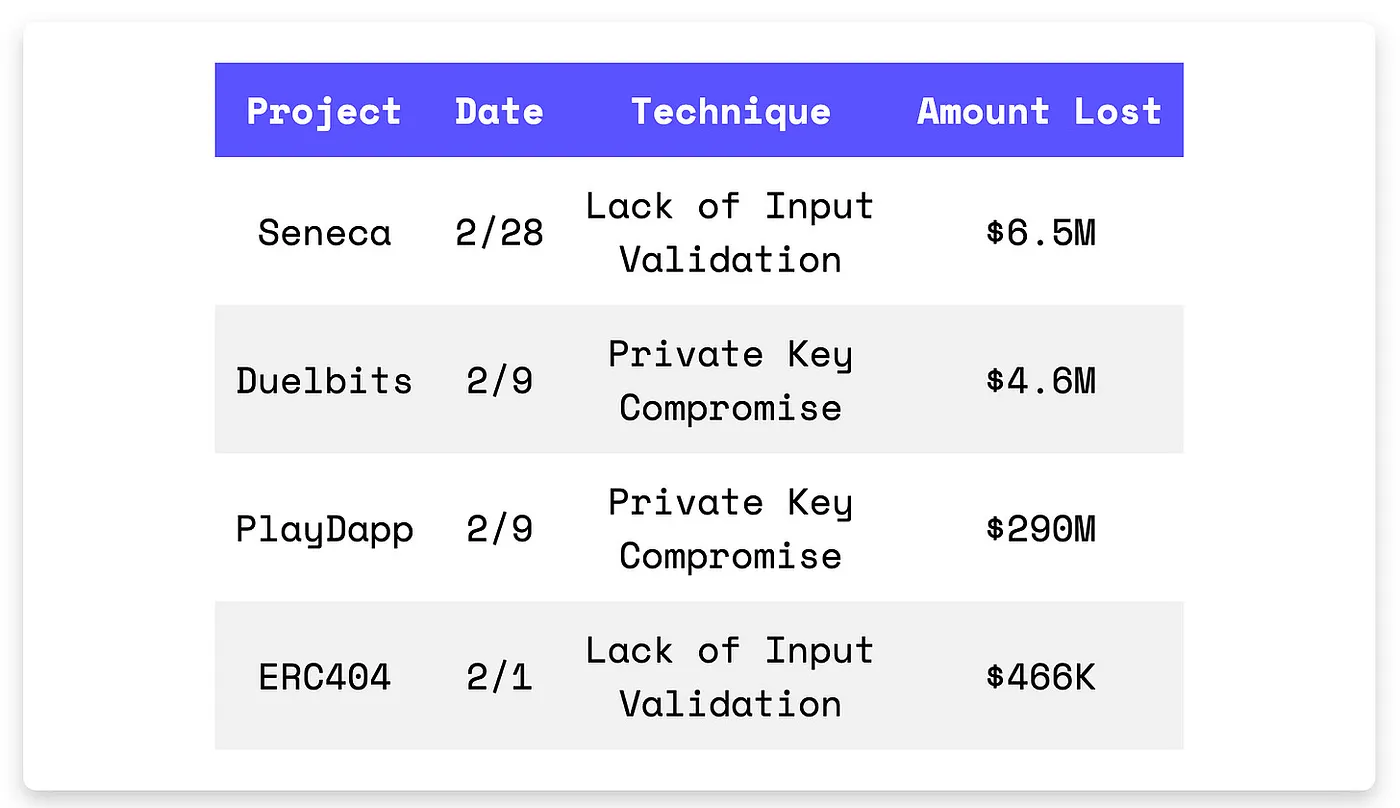
PlayDapp lost $290M after minter access was hijacked. Seneca bled $6.5M due to a logic flaw that allowed arbitrary calldata execution. Duelbits’ $4.6M loss stemmed from compromised hot wallet keys. ERC404 got drained for $466K after letting users trade NFTs without input validation. In all cases, privileged function misuse — not novel techniques — did the damage.
In Brief
Seneca suffered a $6.5M loss due to logic vulnerability.
Duelbits’ hot wallet was compromised.
PlayDapp got hacked for $290M.
ERC404 lost $466K due to lack of input validation.
Hacks Analysis
Seneca | Amount Lost: $6.5M
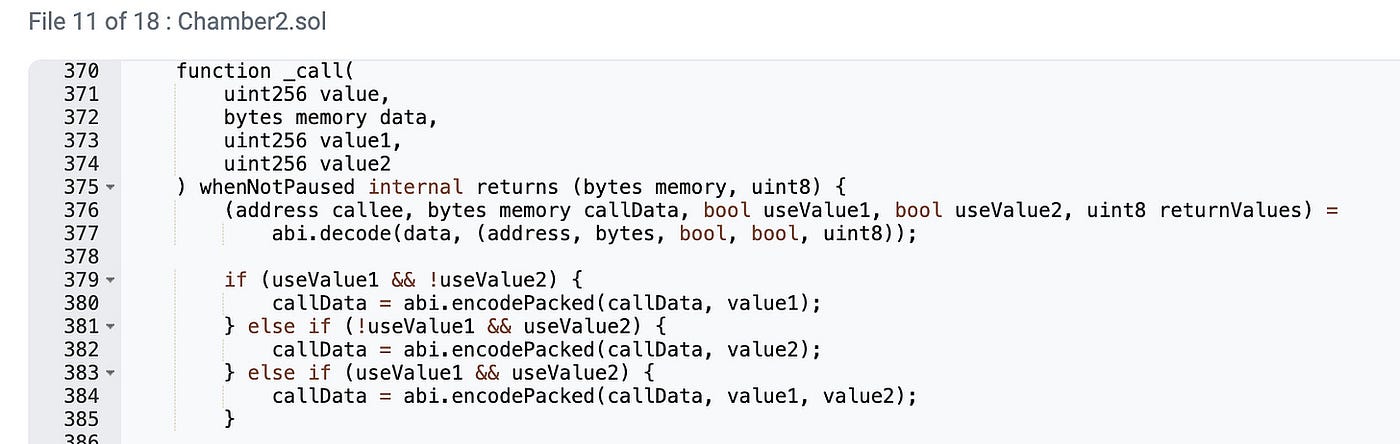
On February 28th, the Seneca exploit on the Ethereum Mainnet resulted in a $6.5M loss. The root cause of the hack was the absence of proper input validation in the private _call() function in Seneca’s Chamber2 contract. The flaw enabled the attacker to execute arbitrary calldata parameters, invoking the transferfrom() function and transferring approved tokens to their address. The Seneca team proposed a 20% bounty reward to the exploiter.
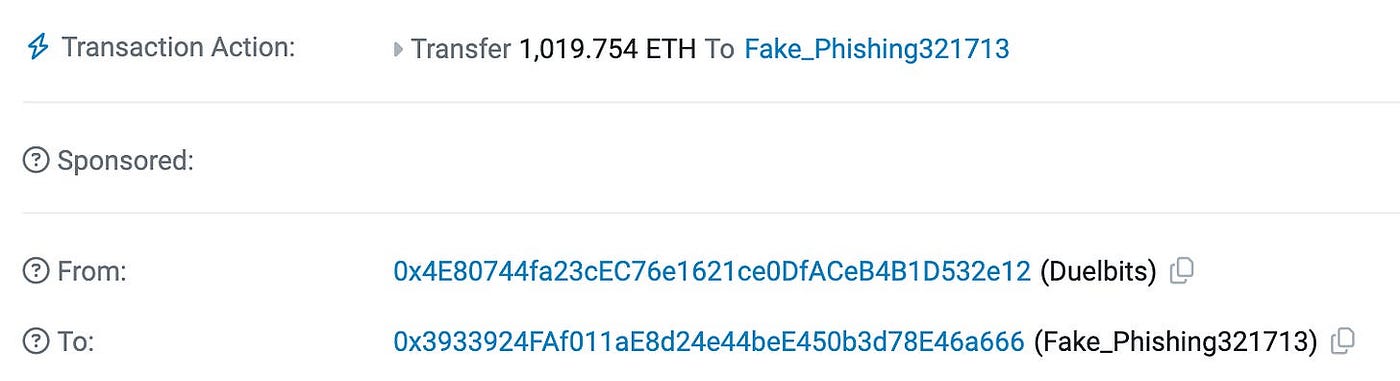
On February 9th, the Duelbits exploit on the Ethereum Mainnet resulted in a $4.6M loss. The root cause of the exploit was a compromise of Duelbits’ ETH hot wallet, which allowed the attacker to withdraw 1,700 ETH. The Duelbits team acknowledged the incident and confirmed that the customer funds and accounts are safe and secure. Duelbits services continue to operate without interruption.
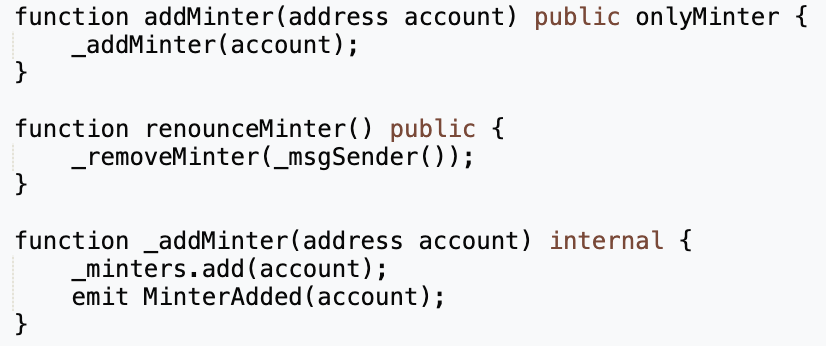
On February 9th, the PlayDapp exploit on the Ethereum Mainnet resulted in a $290M million loss. The root cause of the exploit was a compromise of PlayDapp’s private keys. The attacker was able to add a malicious contract address by calling the addMinter() function and mint unauthorized PLA tokens. The attacker repeated the minting transactions over four days.
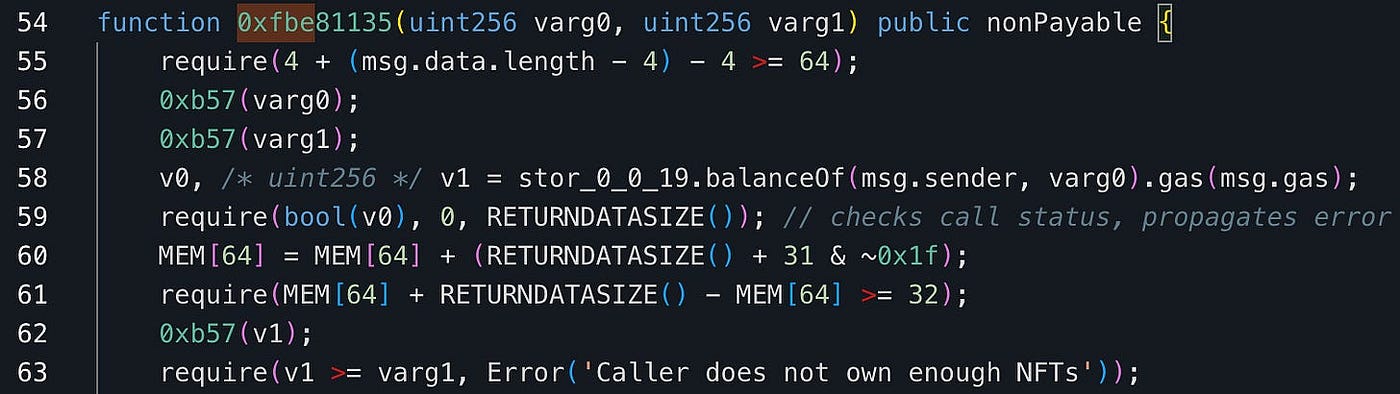
On February 1st, the ERC404 exploit on the Ethereum Mainnet resulted in a $466K loss. The root cause of the exploit was the lack of input validation in the function 0xfbe81135() that trades NFTs for tokens. By using zero “amount” arguments, varg0, and varg1 in a loop, the attacker received LOOGN tokens for free without giving back any NFTs.
The rich text element allows you to create and format headings, paragraphs, blockquotes, images, and video all in one place instead of having to add and format them individually. Just double-click and easily create content.
A rich text element can be used with static or dynamic content. For static content, just drop it into any page and begin editing. For dynamic content, add a rich text field to any collection and then connect a rich text element to that field in the settings panel. Voila!
Headings, paragraphs, blockquotes, figures, images, and figure captions can all be styled after a class is added to the rich text element using the "When inside of" nested selector system.
Follow-up: Conduct a follow-up review to ensure that the remediation steps were effective and that the smart contract is now secure.
Follow-up: Conduct a follow-up review to ensure that the remediation steps were effective and that the smart contract is now secure.
In Brief
Remitano suffered a $2.7M loss due to a private key compromise.
GAMBL’s recommendation system was exploited.
DAppSocial lost $530K due to a logic vulnerability.
Rocketswap’s private keys were inadvertently deployed on the server.
Hacks
Hacks Analysis
Huobi | Amount Lost: $8M
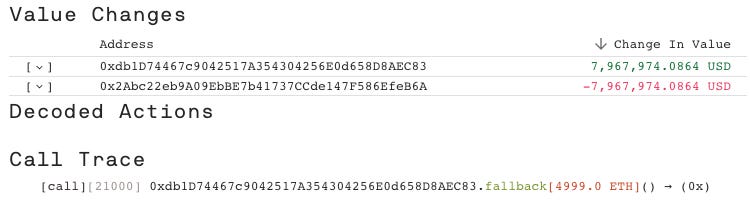
On September 24th, the Huobi Global exploit on the Ethereum Mainnet resulted in a $8 million loss due to the compromise of private keys. The attacker executed the attack in a single transaction by sending 4,999 ETH to a malicious contract. The attacker then created a second malicious contract and transferred 1,001 ETH to this new contract. Huobi has since confirmed that they have identified the attacker and has extended an offer of a 5% white hat bounty reward if the funds are returned to the exchange.